Modern Cat Tree Side Table with Scratching Post
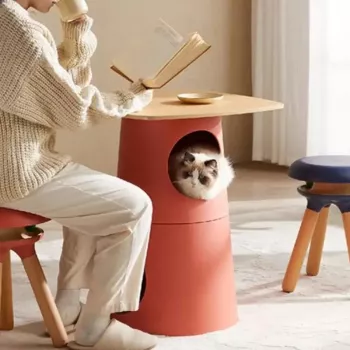
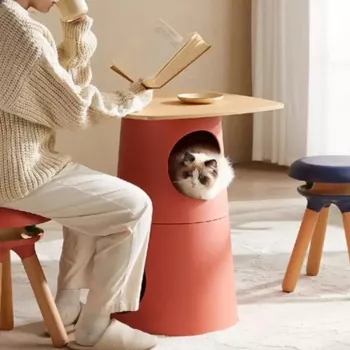
Modern Cat Climbing Tree with Multifunctional Table and Scratching Post
A cat tree that doubles as a functional side table makes it easier to give cats the vertical territory they crave—without sacrificing the look and usability of a modern living space. This furniture-forward style blends climbing platforms and scratch-friendly surfaces with clean lines and home-like finishes, so it feels like it belongs next to a sofa, bed, or reading chair rather than standing out as a pet accessory.
If you’re upgrading a small apartment, refreshing a minimalist room, or simply trying to keep cats entertained indoors, a hybrid cat tree/table can turn one footprint into a daily-use “cat zone” and a practical human surface. A strong example of this concept is the Modern Cat Climbing Tree with Multifunctional Table and Scratching Post.
What Makes This Cat Tree Different
- Two jobs, one footprint: It combines vertical climbing space with a tabletop surface that works like a side table or accent table.
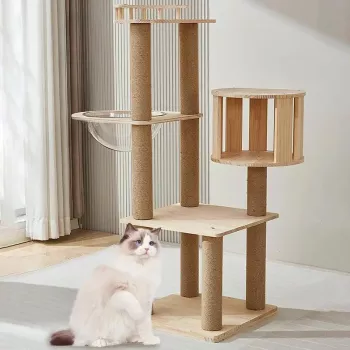
- Built-in scratch option: A dedicated scratching post helps redirect scratching away from sofas, rugs, and doorframes by offering an appropriate target in the right area.
- Furniture-like appearance: The design is meant to blend into living rooms, bedrooms, or offices, so the “cat area” doesn’t feel visually separate.
- Supports real daily routines: Cats can climb, perch, stretch, scratch, and rest—cycling between activity and recovery throughout the day.
For indoor cats especially, environmental enrichment matters. Guidance from the American Association of Feline Practitioners (AAFP) Environmental Needs Guidelines emphasizes predictable resources and species-typical outlets—like climbing and scratching—so cats can feel secure and engaged at home.
How It Fits Into a Modern Home Layout
- Near a window: Placing it by natural light creates an elevated viewing perch and adds stimulation (birds, pedestrians, weather) without adding clutter.
- Space-saver for small rooms: In tighter layouts, it can replace a separate end table plus a standalone cat tower.
- Natural next to furniture: It pairs well with contemporary décor when positioned beside a sofa, reading chair, or bed—where “people furniture” already lives.
- Plan the traffic flow: Choose a spot where a cat can jump up and down comfortably without being bumped by door swings or heavy walkways.
One simple placement trick: keep at least one side close to a wall. It can make the setup feel more secure to cautious cats and helps guide jump routes away from fragile décor.
Climbing and Scratching Benefits for Cats
- Vertical territory can reduce tension: In multi-cat homes, extra perches offer spacing options and better observation points, which can lower day-to-day friction.
- More movement without more mess: Climbing and jumping build activity into the day and can help indoor cats stay mentally engaged.
- Scratching is healthy behavior: It supports claw maintenance and gives a full-body stretch through shoulders and back.
- Placement improves adoption: Adding a scratch target near an existing “problem spot” (like a couch corner) raises the odds that cats will use it.
The goal isn’t to stop scratching—it’s to provide an appealing place to do it. For more ideas on keeping indoor cats busy, the ASPCA’s cat enrichment resources offer practical, cat-friendly ways to build variety into the home environment.
Multifunctional Table: Practical Use Without Losing Cat Value
If your home also includes a dog and you’re building a cohesive “pet furniture” look, consider coordinating finishes with other furniture-style pet pieces, such as the Wooden Dog Crate Furniture with Divider and Drawers for Large Dogs, so pet zones feel planned rather than patched together.
Feature Checklist at a Glance
| Feature to check | Why it matters | Simple tip |
|---|---|---|
| Tabletop surface | Adds real furniture function while keeping a cat perch nearby | Use for light items and keep breakables centered |
| Scratching post | Helps redirect scratching to an acceptable surface | Sprinkle catnip or use a scratch attractant at first |
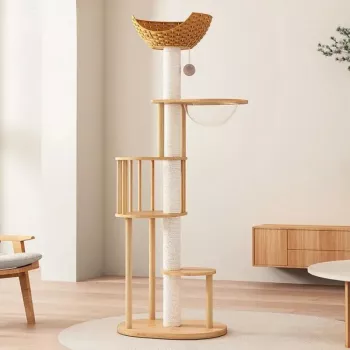
| Vertical levels/perches | Supports climbing, confidence, and observation | Place near a window for natural enrichment |
| Base footprint | A wider base improves stability during jumping and play | Keep one side against a wall for extra security |
| Material surfaces | Affects durability, cleaning, and claw traction | Add a removable mat or pad if surfaces feel slippery |
| Room clearance | Prevents accidents and reduces conflict in multi-pet spaces | Leave a jump-down zone so cats can land safely |
Safety, Stability, and Materials: What to Look For During Setup
Care and Maintenance for Long-Term Use
FAQ
Where should a cat tree with a table be placed?
Place it near a window or beside a sofa/reading chair where your cat already likes to hang out, and leave clear space for safe jump-ups and jump-downs. A corner or wall-adjacent spot can improve stability, and it’s best to avoid door swing paths and narrow walkways.
Will a scratching post really stop cats from scratching the couch?
It can significantly reduce unwanted scratching when the post is placed close to the problem area and made attractive with catnip or a scratch attractant. Consistent positive reinforcement helps, and multi-cat homes often do better with more than one scratching surface.
Is it safe to put a lamp or décor on the tabletop?
Yes, as long as items are lightweight and stable, cords are managed, and breakables are kept away from edges. Avoid toxic plants, and assume some cats may jump onto the tabletop during play.









Leave a comment