Freestanding Vanities: Pros, Cons, and How to Choose
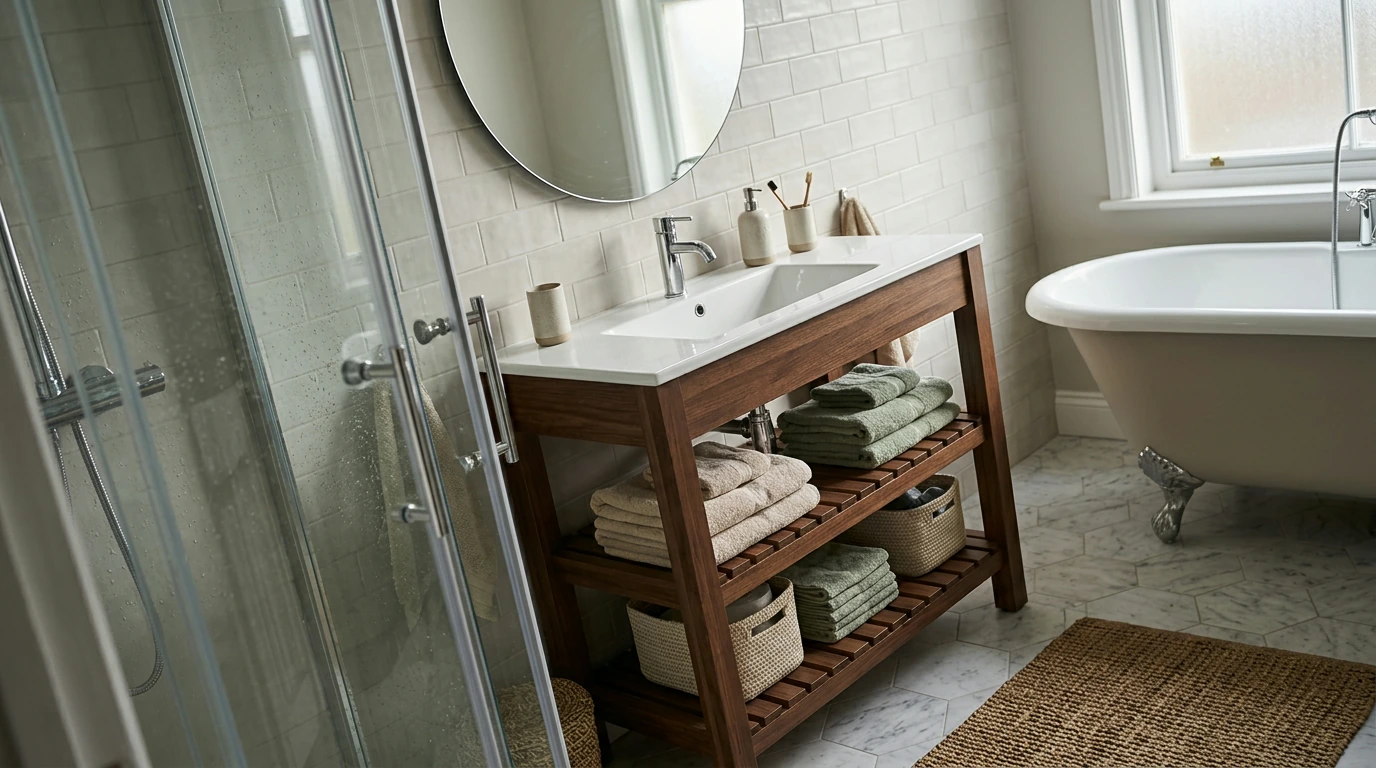
Are freestanding vanities good?
Freestanding vanities are a strong choice for many bathrooms because they combine a finished furniture look with practical storage and flexible installation. Our team sees them work especially well in remodels where you want a noticeable style upgrade without reconfiguring the whole room. They can also make it easier for you to swap styles later, since the vanity is a complete unit rather than a permanently built-in cabinet.
Why freestanding vanities are a smart pick
Easier upgrades and replacements: Since the cabinet stands on the floor, you can often replace it with less wall repair than a wall-hung unit. That makes them appealing if you like refreshing your space over time.
More storage potential: Many freestanding designs offer deeper drawers and full cabinet volume, which helps if you need room for hair tools, cleaning supplies, or extra towels.
Style range: From modern slab fronts to classic furniture legs, freestanding vanities can set the tone of the entire bathroom and help you match existing trim, hardware, or lighting.
What to watch for before you choose one
Floor and wall conditions: Because the weight sits on the floor, an uneven floor can create wobble or gaps. Plan to level the vanity during install and keep the back edge snug to the wall so plumbing connections stay stress-free.
Cleaning access: A toe-kick style hides the floor under the cabinet but is easy to wipe down in front. Legged furniture styles look lighter, but you’ll want to be comfortable cleaning underneath.
Moisture durability: Bathrooms are humid. Look for finishes and materials that resist swelling, and keep caulk lines tight around the top and backsplash areas.
How to pick the right one for your bathroom
Start with width (single vs. double), then consider sink type (integrated top, undermount, or vessel), and storage (drawers for daily items vs. doors for taller bottles). If you’re working around existing plumbing, choose a cabinet layout with enough clearance for the trap and shutoffs. For more detailed selection tips, visit our full guide here: https://leadingdropsshowcase.shop/are-freestanding-vanities-good/.
FAQ
Do freestanding vanities need to be anchored to the wall?
Many should be secured to wall studs to prevent tipping and to keep the unit rigid over time, especially in homes with kids. Even when the weight rests on the floor, anchoring improves stability and keeps seams aligned.
Recommended for you
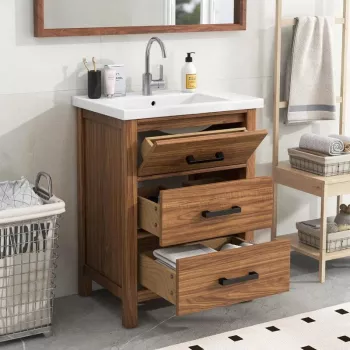

Are freestanding vanities good?
Freestanding vanities are a strong choice for many bathrooms because they combine a finished furniture look with practical storage and flexible installation. Our team sees them work especially well in remodels where you want a noticeable style upgrade without reconfiguring the whole room. They can also make it easier for you to swap styles later, since the vanity is a complete unit rather than a permanently built-in cabinet.
Why freestanding vanities are a smart pick
Easier upgrades and replacements: Since the cabinet stands on the floor, you can often replace it with less wall repair than a wall-hung unit. That makes them appealing if you like refreshing your space over time.
More storage potential: Many freestanding designs offer deeper drawers and full cabinet volume, which helps if you need room for hair tools, cleaning supplies, or extra towels.
Style range: From modern slab fronts to classic furniture legs, freestanding vanities can set the tone of the entire bathroom and help you match existing trim, hardware, or lighting.
What to watch for before you choose one
Floor and wall conditions: Because the weight sits on the floor, an uneven floor can create wobble or gaps. Plan to level the vanity during install and keep the back edge snug to the wall so plumbing connections stay stress-free.
Cleaning access: A toe-kick style hides the floor under the cabinet but is easy to wipe down in front. Legged furniture styles look lighter, but you’ll want to be comfortable cleaning underneath.
Moisture durability: Bathrooms are humid. Look for finishes and materials that resist swelling, and keep caulk lines tight around the top and backsplash areas.
How to pick the right one for your bathroom
Start with width (single vs. double), then consider sink type (integrated top, undermount, or vessel), and storage (drawers for daily items vs. doors for taller bottles). If you’re working around existing plumbing, choose a cabinet layout with enough clearance for the trap and shutoffs. For more detailed selection tips, visit our full guide here: https://leadingdropsshowcase.shop/are-freestanding-vanities-good/.
FAQ
Do freestanding vanities need to be anchored to the wall?
Many should be secured to wall studs to prevent tipping and to keep the unit rigid over time, especially in homes with kids. Even when the weight rests on the floor, anchoring improves stability and keeps seams aligned.
Recommended for you
Are freestanding vanities good?
Freestanding vanities are a strong choice for many bathrooms because they combine a finished furniture look with practical storage and flexible installation. Our team sees them work especially well in remodels where you want a noticeable style upgrade without reconfiguring the whole room. They can also make it easier for you to swap styles later, since the vanity is a complete unit rather than a permanently built-in cabinet.
Why freestanding vanities are a smart pick
Easier upgrades and replacements: Since the cabinet stands on the floor, you can often replace it with less wall repair than a wall-hung unit. That makes them appealing if you like refreshing your space over time.
More storage potential: Many freestanding designs offer deeper drawers and full cabinet volume, which helps if you need room for hair tools, cleaning supplies, or extra towels.
Style range: From modern slab fronts to classic furniture legs, freestanding vanities can set the tone of the entire bathroom and help you match existing trim, hardware, or lighting.
What to watch for before you choose one
Floor and wall conditions: Because the weight sits on the floor, an uneven floor can create wobble or gaps. Plan to level the vanity during install and keep the back edge snug to the wall so plumbing connections stay stress-free.
Cleaning access: A toe-kick style hides the floor under the cabinet but is easy to wipe down in front. Legged furniture styles look lighter, but you’ll want to be comfortable cleaning underneath.
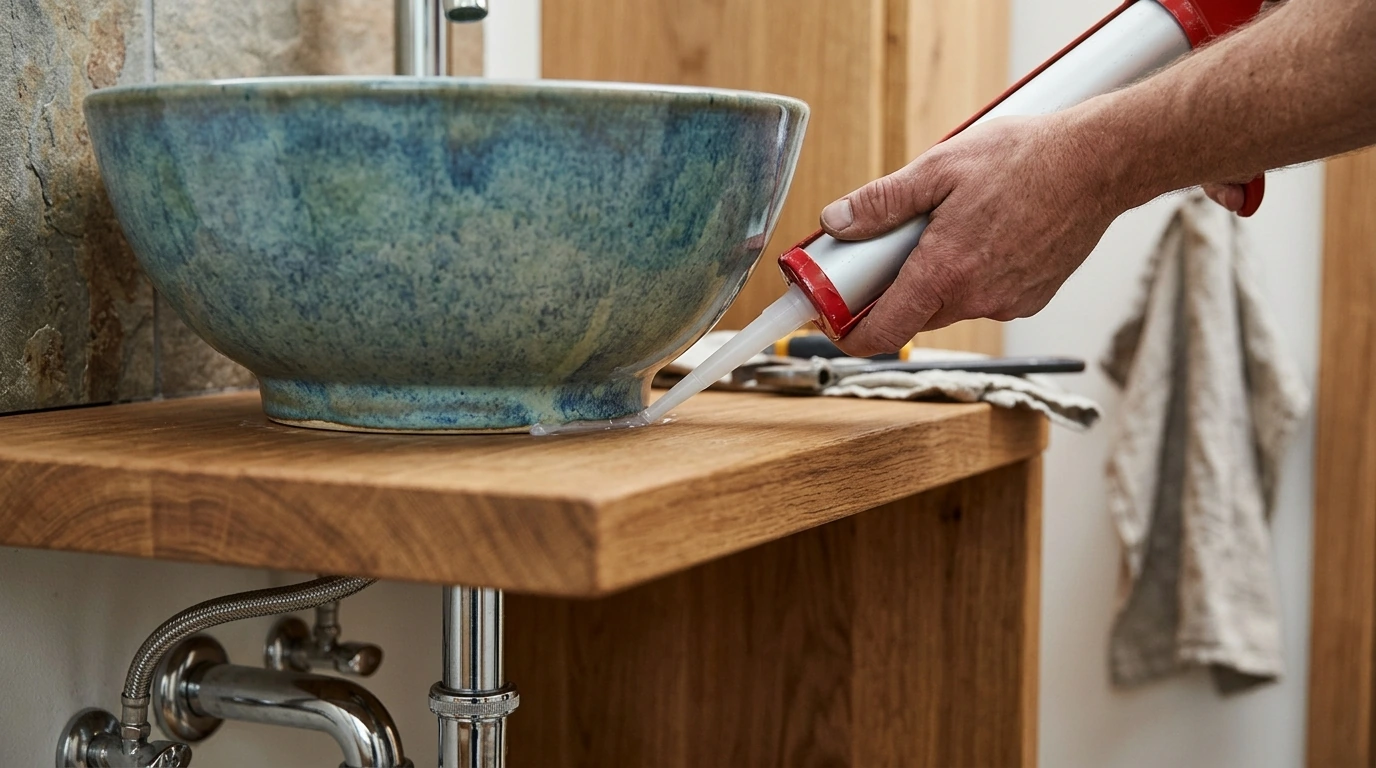
Moisture durability: Bathrooms are humid. Look for finishes and materials that resist swelling, and keep caulk lines tight around the top and backsplash areas.
How to pick the right one for your bathroom
Start with width (single vs. double), then consider sink type (integrated top, undermount, or vessel), and storage (drawers for daily items vs. doors for taller bottles). If you’re working around existing plumbing, choose a cabinet layout with enough clearance for the trap and shutoffs. For more detailed selection tips, visit our full guide here: https://leadingdropsshowcase.shop/are-freestanding-vanities-good/.
FAQ
Do freestanding vanities need to be anchored to the wall?
Many should be secured to wall studs to prevent tipping and to keep the unit rigid over time, especially in homes with kids. Even when the weight rests on the floor, anchoring improves stability and keeps seams aligned.








Leave a comment